Floral Corner Border: A Designer's Real-World Embroidery Review
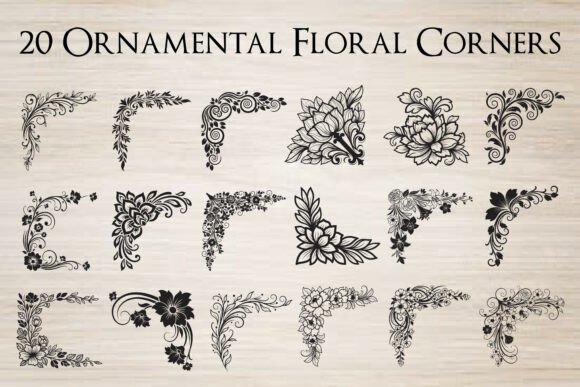
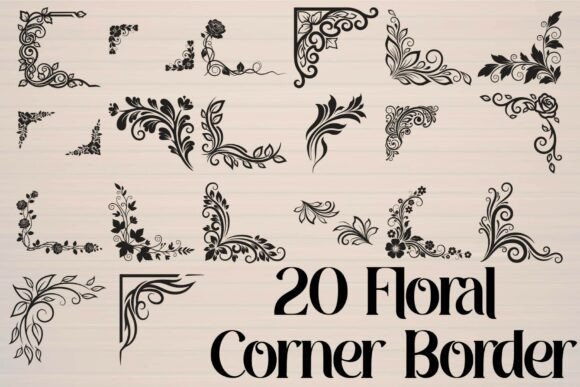
When I first opened the Floral Corner Border collection, my immediate reaction wasn't about the stitch count or file format. It was about the mood. There is a specific energy that comes with botanical swirls and ornamental leaves, and this bundle delivers exactly what it promises: elegance without overwhelming the eye. As someone who has spent years refining designs for custom apparel and boutique merchandise, I know that a corner border isn't just an accent; it sets the stage for the entire piece. This collection of 20 designs feels like a quiet conversation rather than a shout, making it perfect for projects where subtlety and sophistication are key.
I recently decided to put these files through their paces on a real client project. The goal was to create a line of personalized kitchen towels for a local wedding gift registry. We needed something that felt heirloom-quality but wouldn't cost a fortune in thread or machine time. The Floral Corner Border design assets were the obvious choice. The layout naturally draws the eye toward the center of the towel while framing the monogram beautifully. Unlike some generic floral patterns that feel mass-produced, these designs have a distinct personality. They look like they were hand-drawn by a skilled illustrator before being translated into a digital embroidery file.
Real-World Performance on Custom Apparel and Home Goods
The true test of any embroidery design is how it behaves once the needle starts moving. In my experience testing the Floral Corner Border on various substrates, the results have been consistently impressive. When applied to a sturdy cotton canvas tote bag, the botanical swirls held their shape perfectly, creating a frame that looked intentional and polished. The satin stitches around the leaf edges provided a nice sheen that caught the light, adding a touch of luxury to a simple accessory.
I also experimented with placing these borders on baby clothes, specifically onesies and soft hooded blankets. For these items, the detail level is crucial. You don't want dense fill stitches that make the fabric stiff or uncomfortable against a baby's skin. The Floral Corner Border strikes a great balance. The running stitches used in the finer details allow the fabric to breathe, ensuring the finished product remains soft while still looking intricate. This makes it an ideal choice for nursery decor or personalized gifts where comfort is just as important as aesthetics.
For craft business owners and Etsy sellers, versatility is everything. These designs work seamlessly on sweatshirt embroidery, turning a plain hoodie into a statement piece when placed in the corners of the chest pocket area. They also excel on embroidered patches, where the defined edges help the patch stand out from the background fabric. Whether you are producing holiday embroidery for seasonal markets or creating commercial embroidery for corporate branding, the Floral Corner Border offers a professional finish that elevates the perceived value of your handmade products.
Navigating Stitch Density and Fabric Texture
While the design is robust, there are specific scenarios where you need to exercise caution. One of the most common pitfalls in machine embroidery is ignoring the relationship between stitch density and fabric texture. If you attempt to stitch these ornamental leaves onto a thin, stretchy jersey knit without proper stabilizer, the tension can cause the design to pucker or distort. The floral elements rely on clean lines, and if the fabric shifts during stitching, those elegant curves can lose their definition.
Similarly, dark fabrics present a unique challenge. While the design itself is neutral, the thread colors you choose will determine the visibility of the Floral Corner Border. On black or navy backgrounds, you may need to adjust the underlay settings or select lighter thread colors to ensure the botanical swirls pop. I recommend testing the design in black and white mockups first to visualize the contrast before committing to expensive threads. If you are working with textured fabrics like terry cloth or heavy denim, the fine details might get lost in the weave, so scaling the design slightly larger can often save the day.
Curved surfaces, such as caps and hats, require special attention. The corner nature of the design means it is meant to fit into a specific angle. On a curved brim, the perspective can sometimes flatten the depth of the embroidery. To avoid this, I suggest using a smaller hoop size that matches the curvature of the hat or cap, ensuring the design sits flush against the surface. Always check whether the design works for both personal and commercial projects by reviewing the licensing terms provided with the download.
Strategic Placement for Maximum Visual Impact
The beauty of a corner border lies in its ability to guide the viewer's eye. In a finished product, the placement dictates the flow. For a pillow cover, placing the Floral Corner Border in all four corners creates a cohesive, framed look that looks high-end. However, for a single-item gift like a tea towel, a single large corner motif can be more striking, allowing the rest of the fabric to remain open for a large central message or monogram.
When designing for small shop products, consistency is vital for brand recognition. Using the same style of border across your entire product line—from tote bags to aprons—creates a unified visual identity. Customers subconsciously associate that consistent aesthetic with quality and reliability. The Floral Corner Border supports this by offering a timeless botanical theme that fits almost any color palette. It pairs well with modern minimalism as well as rustic farmhouse styles, making it a versatile asset for creative entrepreneurs.
However, there are limits to where this design should go. Avoid using it on products that need frequent washing if the fabric is prone to shrinking significantly after the first wash. The shrinkage can distort the delicate leaf details, ruining the crisp look of the satin stitch. Also, be wary of using tiny lettering alongside these borders. The visual weight of the floral elements can overpower small text, making the overall design feel unbalanced. If you must combine them, ensure the typography is bold and substantial enough to hold its own against the ornate frame.
Essential Notes for the Professional Designer
Before you start stitching, there are practical steps every designer should take to ensure success. First, always test the design on scrap fabric. This is non-negotiable. It allows you to see how the thread colors interact with your specific material and helps you identify any potential issues with the underlay or stitch direction. Check the thread color contrast carefully; a design that looks good on screen might disappear on a specific fabric shade.
Review the stitch density and confirm the hoop size requirements listed in the file information. If the design calls for a larger hoop than you typically use, you may need to adjust your workflow or split the design. Inspect small details closely, especially the tips of the leaves and the intersections of the swirls. These areas are prone to breaking if the fabric isn't stabilized correctly. Use a high-quality stabilizer appropriate for your fabric type to prevent shifting and puckering.
Finally, compare light and dark fabric backgrounds to understand the full range of your design's potential. Don't assume one setting works for all projects. By taking the time to evaluate the Floral Corner Border in different contexts, you ensure that your final product meets the high standards your customers expect. Whether you are selling printable mockups or shipping out physical goods, the effort you put into testing translates directly to customer trust and repeat business.
In conclusion, the Floral Corner Border is more than just a decorative element; it is a tool that can elevate your craft business. With its elegant frames and botanical charm, it fits naturally into a wide array of embroidery projects, from baby items to commercial design assets. By understanding its strengths and respecting its limitations, you can create finished products that not only look beautiful but also stand the test of time.