Floral Lily Silhouette: A Designer's Real-World Review
As someone who has spent years turning digital files into tangible, stitched treasures, I approach every new design asset with a mix of excitement and skepticism. The market is flooded with "premium" bundles that look good on screen but fall apart under the needle. That was my initial reaction when I first opened the Floral Lily Silhouette collection. On paper, it promises a beautiful array of twenty elegant floral designs, but does it hold up when you are trying to create a high-end product for your shop? After running several test stitches and imagining how these would translate to real-world items, I have formed a clear picture of where this bundle fits in your workflow.
The First Impression: Mood and Visual Personality
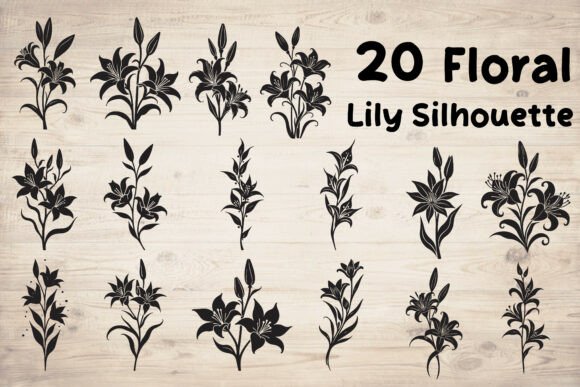
When you open the folder containing the Floral Lily Silhouette, the immediate feeling is one of refined simplicity. Unlike many embroidery designs that rely on heavy fill stitches and complex color changes to create interest, this collection leans heavily into the power of negative space. The silhouette style creates a mood that is both modern and timeless. It feels less like a busy garden scene and more like a sophisticated botanical illustration frozen in time.
For designers looking to build a cohesive brand identity, this is a goldmine. The clean lines suggest a specific aesthetic: minimalism, elegance, and clarity. When you look at the individual files, you can see that the shapes are well-defined. There is no jagged edge or awkward curve that screams "low-quality vector." This level of polish is crucial because it sets the expectation for the finished product. If the source file looks rough, the customer will assume the stitching will be too. Fortunately, the Floral Lily Silhouette passes this visual test with flying colors, offering a professional foundation for anything from a boutique tote bag to a delicate baby onesie.
From Screen to Stitch: Real-Life Application Scenarios
I recently decided to put this bundle to the ultimate test by planning a custom order for a local boutique client. They wanted a line of aprons featuring a subtle, artistic touch rather than loud, cartoonish graphics. The Floral Lily Silhouette was the perfect candidate. I envisioned the design embroidered in a single thread color—perhaps a deep sage green or a classic black—on a natural linen canvas. Because the design relies on the shape of the lily rather than intricate internal details, it translates beautifully to larger formats like kitchen towels and aprons.
Imagine placing one of these silhouettes on the chest of a sweatshirt. The clean outline allows the fabric texture to show through slightly, creating a soft, textured look that feels premium. It works exceptionally well for custom apparel because it doesn't overwhelm the garment. Instead, it acts as a focal point that invites closer inspection. I also considered using these designs for small business merchandise, such as embroidered patches or cap fronts. The silhouette format is versatile enough to work on curved surfaces without losing its structural integrity, provided the hoop size is managed correctly.
For Etsy sellers and craft fair vendors, the versatility here is a major selling point. You can use the same design file across a wide range of products. A simple change in thread color or fabric background can turn a holiday-themed gift into a wedding favor or a nursery decoration. The embroidery project potential extends to digital product previews as well; because the lines are so crisp, they render beautifully in printable mockups, helping you visualize the final finished product before you even cut the fabric.
Navigating Technical Challenges and Limitations
While the design is strong, no single file is a magic bullet for every situation. As an experienced reviewer, I must highlight where the Floral Lily Silhouette requires careful handling. One of the primary constraints of silhouette designs is their reliance on density. If you attempt to stitch these on a very thin or stretchy fabric without proper stabilization, the design may pucker, distorting the elegant curves of the lily.
I would advise against using this design for extremely small hoop sizes unless you are confident in your machine's ability to handle fine detail. While the silhouette is clean, some of the petals in the more intricate variations might lose definition if the stitch count is too low for the physical size. Similarly, while the design looks great on light fabrics, testing it on dark backgrounds is essential. On dark fabric, the contrast between the thread and the material is everything. If you choose a thread color that is too close to the fabric shade, the silhouette will disappear, defeating the purpose of the design.
Another area to watch is the placement on layered garments or items with seams. Embroidering directly over a thick seam or a curved surface like a baseball cap requires precise hooping techniques. The stitch density in the fill areas needs to be balanced; too much density can make the fabric stiff, which is undesirable for items like baby clothes or soft pillow covers. Before committing to a production run, always inspect the small details in the corners of the petals to ensure they won't get lost in the stitching process.
Impact on Brand Value and Customer Trust
In the world of handmade goods, presentation is everything. A poorly executed design can undermine the perceived value of a product, no matter how high quality the materials are. Conversely, a well-stitched design elevates the entire item. The Floral Lily Silhouette contributes significantly to a sense of professionalism. Its clean lines communicate attention to detail, which builds trust with buyers.
When a customer sees a perfectly aligned, sharp-edged lily on a personalized gift or a boutique product, they associate that precision with the care taken by the maker. This perception of quality drives repeat business and positive reviews. For commercial embroidery projects, consistency is key. Using a design that maintains its shape and clarity across different batches ensures that your brand remains recognizable. Whether you are creating a set of matching tea towels or a series of branded tote bags, the Graphics within this bundle provide a consistent visual language that ties your offerings together.
Practical Notes for the Embroidery Designer
If you are ready to incorporate the Floral Lily Silhouette into your workflow, there are a few critical steps to take to ensure success. First and foremost, never skip the test run. Stitch the design on a scrap piece of the exact fabric you plan to use for the final product. This allows you to check the thread colors and see how the stabilizer interacts with the material.
Review the stitch type carefully. Depending on the specific file, you may be working with a combination of satin stitch for outlines and fill stitch for the body. Ensure that the transition between these stitches is smooth. If the design includes any tiny lettering or extremely fine details, verify that they are legible after stitching. It is also wise to compare the design in black and white mockups to confirm that the contrast holds up in various lighting conditions.
Finally, double-check the licensing terms. Since this bundle is marketed for commercial use, you need to confirm exactly what rights you have regarding selling finished items versus reselling the digital files themselves. Understanding these boundaries protects your craft business and ensures you are operating ethically. By taking the time to prepare properly, you can transform the Floral Lily Silhouette from a simple digital file into a standout feature of your next best-selling handmade product.