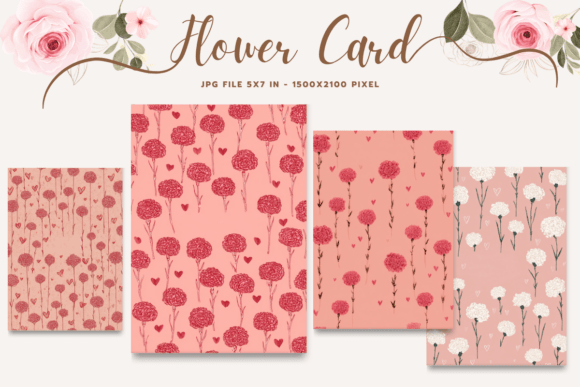
Flower Card Floral Greeting Postcard_36 Review
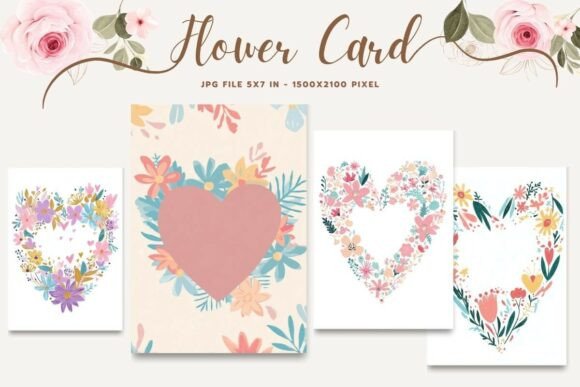
As a designer who has spent years turning digital files into tangible, stitched treasures, I approach every new asset with a mix of excitement and skepticism. When I first encountered Flower Card Floral Greeting Postcard_36, I wasn't looking at it as just another image in a folder; I was already visualizing it on a piece of fabric. The product listing clarifies immediately that this is a digital download consisting of four high-resolution JPG files, not an SVG or a direct machine embroidery file. While that distinction requires a specific workflow, it opens up a unique set of possibilities for creative entrepreneurs and hobbyists who need to adapt designs for various substrates.
The first impression of Flower Card Floral Greeting Postcard_36 is one of quiet elegance. It carries the mood of a hand-delivered letter from a dear friend, blending the structured layout of a postcard with the organic softness of floral elements. Unlike rigid corporate logos or overly complex monograms, this design feels personal and approachable. The composition suggests it belongs best in projects where sentimentality meets craftsmanship. It screams "handmade gift" rather than "mass-produced merchandise," which is a crucial distinction for anyone building a brand around authenticity.
From Screen to Stitch: A Real-World Scenario
To truly understand how Flower Card Floral Greeting Postcard_36 performs, I decided to put it through a practical test scenario. Imagine you are preparing a batch of custom embroidered tote bags for a local craft fair. You want something that looks professional but retains that warm, boutique feel. You have the high-resolution JPGs for Flower Card Floral Greeting Postcard_36 ready to go. Because the file allows you to resize it to fit the exact dimensions of your substrate, you can easily scale the floral motif to sit perfectly centered on a canvas tote without stretching or pixelating.
In this context, the design transforms from a simple graphic into a focal point for a tote bag design. If you were to use a digitizer to convert this JPG into a stitch pattern, the open spaces within the postcard layout would allow for plenty of negative space, preventing the final finished product from feeling too heavy or stiff. However, if you plan to sell these items as part of your craft business, you must consider the conversion process carefully. Since this is a raster image (JPG), it does not contain stitch data like satin stitches, fill stitches, or running stitches. You would need to trace or digitize this artwork manually or via software before it can be read by an embroidery machine.
I also envisioned this design on a baby item, perhaps a onesie or a small nursery pillow cover. The floral theme is timeless and gender-neutral enough to appeal to a wide audience. For a baby embroidery project, the clean lines of the card structure provide a nice frame for the flowers, making the overall look neat and tidy. Parents often appreciate designs that don't look cluttered, and Flower Card Floral Greeting Postcard_36 offers that clarity. When used on a light-colored cotton fabric, the potential for a soft, pastel thread palette is immense, creating a gentle aesthetic that fits perfectly in a modern nursery.
Navigating Technical Limitations and Fabric Choices
While the artistic potential is clear, there are technical realities to address when working with a JPG-based design asset like Flower Card Floral Greeting Postcard_36. One of the most common pitfalls for designers is assuming that a high-resolution image translates directly into perfect stitching without intermediate steps. If you are planning to use this for commercial embroidery, you must verify the details of the source image. Does the line work hold up when scaled down? Are the flower petals detailed enough to survive the transition from pixels to stitches?
This design requires careful consideration of hoop size and fabric texture. On textured fabrics like bouclé or thick denim, fine details might get lost under the bulk of the stabilizer and thread. Similarly, on stretchy fabrics like jersey knit, the structural integrity of the postcard shape needs to be reinforced with proper stabilizer to prevent puckering. If you attempt to stitch this on a dark fabric, the contrast will be critical. You would likely need to use a high-density underlay or a tear-away backing to ensure the colors pop against the background.
I also advise caution when considering this for small hoop sizes or curved surfaces like caps. The rectangular nature of the "postcard" concept might not flow naturally around the curve of a baseball cap unless you distort the design significantly, which could ruin the aesthetic balance. For a flat surface like a kitchen towel or an apron, however, the geometry works beautifully. The straight edges of the design align well with the hemlines of towels, creating a cohesive look that enhances the embroidery project without fighting the garment's natural lines.
Elevating Brand Consistency and Customer Trust
For Etsy sellers and small shop owners, the visual quality of your products speaks volumes about your brand. Using a versatile asset like Flower Card Floral Greeting Postcard_36 allows you to maintain consistency across different product lines. Whether you are creating a sweatshirt embroidery collection or a set of holiday gifts, having a recognizable floral motif ties the items together. Customers notice these details. A cohesive design language builds trust and encourages repeat purchases because buyers know exactly what kind of quality and style they can expect.
Furthermore, the ability to create printable mockups with this high-resolution file is a massive advantage for marketing. Before you even cut the fabric, you can place the design on digital images of tote bags, pillows, or shirts to see how it resonates with your target audience. This step is vital for validating your ideas and reducing waste. By testing the visual impact in black and white mockups first, you can ensure the contrast and composition work regardless of the thread colors you eventually choose.
Essential Designer Notes for Success
If you decide to integrate Flower Card Floral Greeting Postcard_36 into your workflow, here are some practical tips to ensure a successful outcome:
- Test on Scrap Fabric First: Never commit to a final piece without a trial run. Check how the design holds up on your specific fabric type and thickness.
- Review Thread Color Contrast: Ensure the chosen threads provide enough contrast against the fabric to make the floral details visible.
- Inspect Small Details: Zoom in on the JPG to see if any delicate parts of the flower or card border might be difficult to stitch clearly.
- Confirm Licensing: Before selling finished items or using the design in design assets for other clients, double-check the licensing terms provided with the digital download.
- Use Proper Stabilizer: Depending on the fabric, you may need cut-away or tear-away stabilizers to support the density of the stitches.
- Check Machine Compatibility: Since this is a JPG, you must digitize it yourself or hire a pro. Ensure your digitized version matches your machine's capabilities regarding stitch density.
In conclusion, Flower Card Floral Greeting Postcard_36 is more than just a pretty picture; it is a foundational element for thoughtful, handmade creations. Its strength lies in its versatility and emotional resonance. Whether you are crafting a personalized gift for a loved one or developing a line of small shop products for your online store, this design offers a solid starting point. Just remember that the magic happens in the execution. Take the time to prepare your materials, respect the limitations of the medium, and let the floral beauty shine through in your final embroidery project.