Lavender and Daisy Floral Line Art: A Designer's Real-World Review
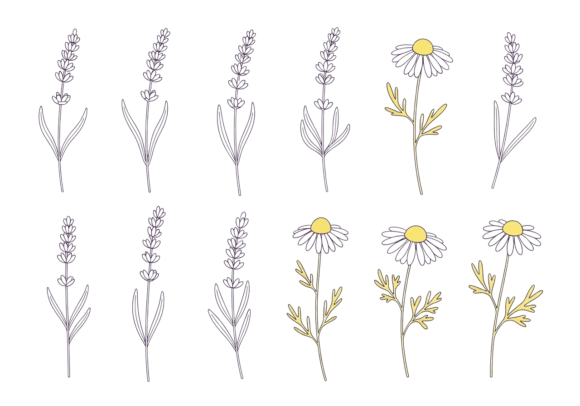
When I first opened the bundle for Lavender and Daisy Floral Line Art, my initial reaction wasn't about the file formats or the pixel count. It was about the mood. There is a specific energy that comes from clean line art, and this design captures a serene, botanical vibe that feels both timeless and modern. As someone who has spent years evaluating digital assets for real-world embroidery projects, I look past the pretty preview image to see how the lines will translate into thread. Does it have enough structure to hold its shape? Will the negative space breathe once stitched onto fabric?
This design immediately struck me as perfect for the "quiet luxury" aesthetic that is currently dominating handmade markets. The interplay between the lavender sprigs and the daisies creates a natural flow that suggests movement without being chaotic. For an embroidery designer or a small business owner looking to expand their catalog, this isn't just another flower graphic; it is a versatile tool that can elevate everything from a simple kitchen towel to a high-end boutique tote bag.
From Screen to Stitch: Visualizing the Final Product
The transition from a digital vector to a physical embroidered piece is where many designs fail, but Lavender and Daisy Floral Line Art seems built with the needle in mind. The line work is crisp, which is essential for maintaining clarity during the digitization process. When I imagine this on a white cotton apron using soft pastel threads, the visual appeal is undeniable. The simplicity of the line art allows the texture of the stitch itself to become part of the design, rather than fighting against it.
In a commercial context, this design offers significant value. For Etsy sellers and craft fair vendors, products featuring Lavender and Daisy Floral Line Art would likely attract customers looking for personalized gifts or unique home decor. The design works exceptionally well for nursery decor, where the gentle daisy motif pairs beautifully with soft fabrics. However, the true test of any embroidery file is its performance under pressure. Can it handle the tension of a dense fill stitch if applied to a patch? Or does it shine best as a delicate running stitch accent on a sweatshirt?
I envision this design being used on a custom embroidered tote bag for a local florist or a bridal shop. The elegance of the floral arrangement adds a touch of professionalism that generic clipart simply cannot match. It signals to the buyer that the product inside is thoughtful and carefully curated. For apparel decorators, the layout is flexible enough to be placed centrally on a baby onesie or subtly along the hemline of a linen dress. The key here is the balance; the design doesn't overwhelm the garment, allowing the fabric to remain the star while providing a beautiful focal point.
Strategic Use Cases for Makers and Entrepreneurs
If you are building a brand around handmade goods, knowing where to deploy your assets is just as important as the asset itself. Lavender and Daisy Floral Line Art fits seamlessly into several high-demand categories. For instance, holiday embroidery often relies on seasonal motifs, and while this design isn't strictly Christmas-themed, the lavender and daisy combination works wonderfully for spring weddings, Easter gatherings, or Mother's Day gifts. The fresh, organic feel makes it a safe bet for any occasion requiring a touch of nature.
Consider the scenario of creating a line of boutique branding materials. Imagine these floral elements embroidered onto the pocket of a denim jacket or the cuff of a chef's coat. The design acts as a subtle signature, reinforcing brand consistency without shouting for attention. For digital product sellers, having the SVG and EPS files means you can create printable mockups that look incredibly realistic before a single stitch is made. This capability is crucial for converting online browsers into buyers who want to visualize the finished product.
The versatility extends to functional items as well. Embroidered patches featuring this design could be sold as accessories for jackets or bags, adding a customizable element to otherwise plain clothing. In the realm of home goods, pillow covers and tea towels are natural homes for this type of imagery. The line art style ensures that even if the thread colors vary slightly due to lighting or fabric absorption, the core identity of the design remains intact. This reliability is what separates a professional-grade embroidery file from a hobbyist experiment.
Where to Exercise Caution and Technical Precision
While the potential is vast, a responsible designer knows that every design has limitations. Lavender and Daisy Floral Line Art is not a one-size-fits-all solution. If you plan to use this on small hoop sizes, such as those required for cap embroidery or tiny jewelry boxes, you must proceed with caution. The fine details in the line art might get lost if the stitch density is too high or if the fabric is too textured.
Textured fabrics like bouclé or heavy wool can obscure the delicate lines, making the design look muddy rather than crisp. Similarly, stretchy fabrics require careful stabilizer selection. Without adequate support, the tension of the stitches could cause the fabric to pucker, distorting the floral arrangement. Dark fabrics present another challenge; while the design looks great on light backgrounds, applying it to dark material requires a high-quality underlay or a contrasting thread color to ensure visibility. If the thread choice clashes with the background, the elegance of the line art is lost.
Dense stitch areas can also be problematic if the digitization isn't optimized. If the design includes overlapping petals or intricate stems, the machine might struggle to navigate tight corners, leading to thread breaks or uneven coverage. For products that need frequent washing, such as kitchen towels or baby clothes, the durability of the stitching becomes paramount. A design that looks perfect on day one might fray or fade if the stitch length and density aren't adjusted for long-term wear. Always inspect the small details and test the design on scrap fabric before committing to a final production run.
Practical Notes for the Professional Embroidery Designer
To get the most out of this file, there are a few technical steps you should take before starting your project. First and foremost, check the stitch density and review the digitization. Even though the source file is provided in multiple formats like PNG, SVG, and EPS, the actual embroidery file (usually PES, DST, or EXP) needs to be evaluated for its performance on your specific machine. Ensure that the stabilizer matches the weight of your fabric; a lightweight stabilizer might not hold the tension needed for the fine lines of the daisies.
Thread color contrast is another critical factor. Test your design in black and white mockups to see how the shapes read without color. This helps identify if any parts of the design are too thin to be visible when stitched. Also, confirm whether the license terms allow for commercial use. Many designers sell finished products based on digital assets, so understanding the rules regarding selling embroidered goods versus reselling the digital file itself is vital to avoid legal issues.
Finally, always compare the design on different fabric backgrounds. What looks stunning on a crisp white tee might disappear on a heather grey shirt. By testing various combinations, you ensure that the embroidery project delivers the quality your customers expect. Whether you are creating a personalized gift for a friend or mass-producing items for a craft business, taking the time to validate the design pays off in customer satisfaction and repeat sales.
In conclusion, Lavender and Daisy Floral Line Art is a robust addition to any designer's toolkit. It balances aesthetic charm with practical utility, making it suitable for a wide range of applications from custom apparel to digital marketing assets. With the right preparation and attention to detail, this design can help you create finished products that stand out in a crowded market.