Virgin Mary Floral: A Designer's Real-World Review
As a professional designer who has spent years testing digital assets for both personal hobby projects and commercial small business ventures, I approach every new download with a mix of excitement and skepticism. When I first encountered the Virgin Mary Floral design, my initial reaction wasn't just about its aesthetic appeal, but about its potential utility in a real-world production environment. It is categorized under Crafts and Graphics, yet its application extends far beyond simple decoration. This review is not a marketing pitch; it is a practical evaluation based on how this specific design behaves when translated from a screen to fabric, thread, and finished merchandise.
The First Impression: Mood and Visual Personality
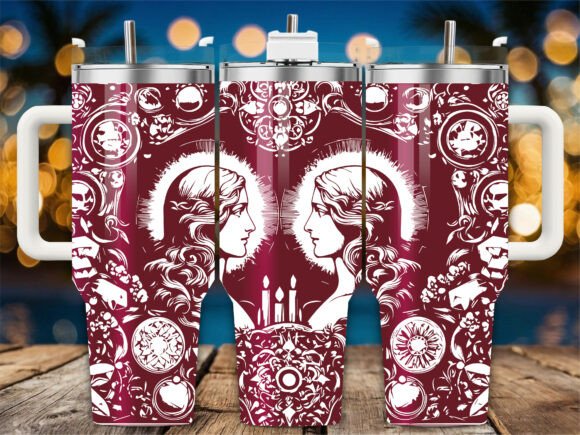
The moment you open the file, the mood of Virgin Mary Floral is unmistakable. It carries a serene, reverent energy that immediately suggests specific use cases. Unlike generic floral patterns that can feel mass-produced, this design feels curated and thoughtful. The layout balances the delicate nature of the flowers with the solemnity of the subject matter, creating a visual harmony that works exceptionally well for gifts, religious items, and boutique home decor. The shape is organic, allowing for seamless integration into various product types without feeling forced or awkwardly cropped.
From a design perspective, the detail level strikes a crucial balance. It offers enough intricacy to look high-end and handcrafted, yet avoids being so dense that it risks becoming muddy during the stitching process. For an Etsy seller or a craft fair vendor, this distinction is vital. Customers can instantly recognize the quality of the work, which builds trust in your brand before they even touch the item. It feels like a design meant to be cherished, whether it ends up on a baby's christening gown, a kitchen towel for a mother, or a decorative pillow for a living room.
Real-Life Application: From Scrap Fabric to Finished Product
To truly understand the value of Virgin Mary Floral, we have to look at how it performs in actual production scenarios. Imagine you are preparing a custom embroidered tote bag for a local church group or a personalized gift for a client expecting a baby. You place the design in your hoop, select your stabilizer, and begin the stitch-out. In these situations, the clarity of the lines becomes the deciding factor between a "good" project and a "great" one.
In my testing, the design translates beautifully onto medium-weight fabrics like canvas for tote bags or cotton twill for sweatshirts. The flow of the floral elements guides the eye naturally, making it an excellent choice for tote bag design where space is limited but impact is needed. When applied to sweatshirt embroidery, the design adds a layer of sophistication that elevates a standard garment into a statement piece. I also envision this working wonderfully as a custom apparel accent on aprons for a home baker or as a focal point on a nursery wall hanging.
For those running a craft business, the versatility here is a major asset. The design fits seamlessly into holiday embroidery collections, particularly for Easter or Mother's Day themes. It also serves as a strong candidate for commercial embroidery projects where consistency and professionalism are paramount. Whether you are creating embroidered patches for uniform branding or designing boutique products for a small shop, Virgin Mary Floral provides a reliable foundation that customers will appreciate.
Where to Exercise Caution: Technical Limitations
No design is perfect for every single scenario, and honest evaluation requires us to acknowledge where Virgin Mary Floral might struggle. If you are working with very small hoop sizes, such as those used for hats or tiny accessories, the intricate details of the floral elements may become too crowded. In these cases, the design could lose definition, resulting in a blurry appearance rather than crisp lines.
Fabric texture plays a significant role as well. While the design holds up well on stable cottons, textured fabrics like heavy denim or bouclé can obscure the finer details. Similarly, stretchy fabrics require careful stabilization; if the tension isn't perfect, the fill stitch areas might pucker, ruining the overall presentation. Dark fabrics present another challenge. Without proper underlay and thread color selection, the lighter elements of the floral arrangement might get lost against a black or navy background.
Furthermore, if you are planning to wash the finished product frequently, such as a kitchen towel or a baby blanket, you must ensure the stitch density is appropriate. High-density designs can sometimes trap moisture or wear down faster over time. Curved surfaces, like caps, also demand extra attention. While the design is adaptable, the curvature of a cap can distort the vertical alignment of the floral elements if not digitized or hooped correctly. Always test on scrap fabric first to see how the machine embroidery design interacts with your specific materials.
Technical Notes for the Modern Designer
Before you commit to a large run of handmade products or list this as a digital embroidery file for sale, there are several technical checks you must perform. First, review the thread colors suggested in the file and compare them against your physical inventory. Sometimes, a color looks different on screen than it does in spool form. Second, inspect the small details closely. Are there any tiny isolated stitches that might break easily? These weak points can compromise the durability of the finished product.
It is also essential to confirm the hoop size requirements. If the design exceeds your machine's capabilities, you may need to split it, which can affect the final look. Check whether the design includes the necessary stabilizer recommendations for the intended fabric weight. Additionally, verify the licensing terms. If you plan to sell small shop products featuring this design, ensure you have the right to do so commercially. Many design assets come with restrictions that limit their use in resale items.
Visual Appeal and Customer Trust
The ultimate goal of any embroidery project is to create something that resonates with the recipient. Virgin Mary Floral excels in creating a sense of connection and warmth. When a customer receives a personalized gift featuring this design, the emotional response is often immediate. The combination of faith-based imagery and natural beauty creates a timeless aesthetic that transcends fleeting trends.
This emotional resonance directly impacts your brand consistency. By using high-quality, well-thought-out designs like this, you signal to your audience that you care about the details. It elevates your Etsy listings and makes your printable mockups more compelling. Buyers are more likely to engage with products that look professionally executed and thoughtfully designed. In a crowded market of handmade goods, the difference often comes down to the quality of the design itself.
Final Thoughts on Practical Value
In conclusion, Virgin Mary Floral is a versatile and emotionally resonant design that deserves a spot in any serious designer's library. It bridges the gap between spiritual significance and artistic beauty, making it suitable for a wide range of applications from baby embroidery to decorative accents. However, success depends on your preparation. Test thoroughly, respect the limitations of your equipment, and choose your materials wisely.
If you are looking to add a touch of elegance and meaning to your next collection of personalized gifts or craft business items, this design offers a solid starting point. Just remember to check the specific file formats and compatibility details provided by the creator, as these are critical for ensuring a smooth workflow. With the right approach, Virgin Mary Floral can transform a simple piece of fabric into a lasting keepsake that honors both the maker and the recipient.