Wisteria Floral Line Art Seamless Review
As a designer who has spent years turning digital files into tangible, stitched treasures, I approach every new asset with a mix of excitement and skepticism. There is a specific kind of magic when a machine embroidery design translates perfectly from a screen to fabric, but there is also the harsh reality of thread breaks, puckering, and lost details. Today, I am evaluating the Wisteria Floral Line Art Seamless file to see if it holds up under the pressure of real-world production, client projects, and the demands of a busy craft business.
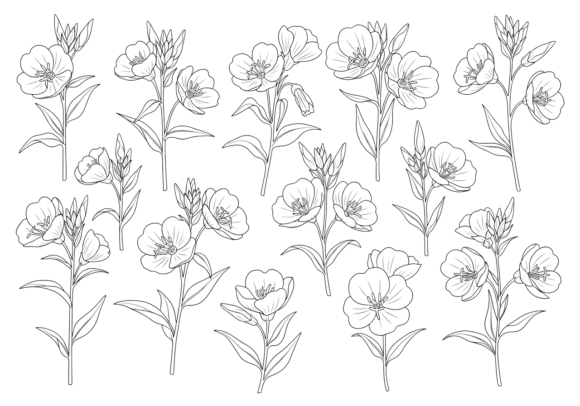
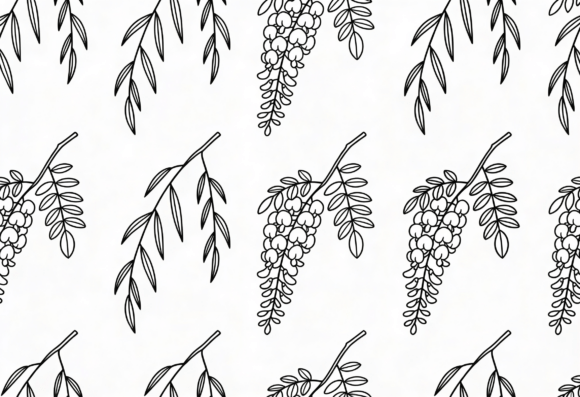
The first thing that strikes me about this piece is its mood. It isn't trying to be loud or overly ornate; instead, it offers a quiet elegance that feels perfect for modern boutique branding or personalized gifts. The line art style suggests a clean, sophisticated aesthetic that could elevate a simple tote bag or add a touch of whimsy to nursery decor. When you open the file, the silhouette cuts are crisp, and the flow of the wisteria vines implies a natural movement that is essential for successful embroidery.
From Digital File to Finished Product: A Real-World Scenario
Let's imagine a practical scenario. I am preparing for a weekend craft fair where I sell handmade goods. I have a stack of unbleached canvas tote bags sitting on my table, waiting for a custom touch. My goal is to create a limited edition series for Etsy customers who love botanical themes. This is where the Wisteria Floral Line Art Seamless becomes interesting.
If I were to stitch this directly onto the canvas, the continuous nature of the line art would allow me to create an all-over pattern or a focal border without the design feeling cluttered. Unlike heavy fill-stitch designs that can make a bag feel stiff, this line art promises a softer hand feel. However, the devil is in the details. For a small shop owner, the ability to scale this design seamlessly is crucial. Whether I need a small logo for a hat or a large motif for a pillow cover, the vector nature of the file (assuming standard SVG/EPS capabilities) means I can adjust the dimensions without losing the integrity of the floral curves.
I also considered using this for a sweatshirt embroidery project. Wisteria is a spring theme, making it ideal for seasonal collections. On a dark navy sweatshirt, the white or light pastel lines of the design would pop beautifully, creating a high-contrast look that appeals to buyers looking for something fresh. But here is the catch: the background fabric matters immensely. If the fabric texture is too rough, like a heavy boucle wool, those fine lines might get lost in the weave.
Navigating Stitch Density and Fabric Challenges
When reviewing any embroidery file, I always think about how it interacts with different materials. The Wisteria Floral Line Art Seamless relies heavily on the precision of satin stitches and running stitches to define its shape. In a commercial setting, consistency is key. If the stitch density is too high, the fabric will pucker, ruining the professional look of a finished product. If it is too low, the design may look sparse and unfinished.
This design shines best on stable fabrics. Think cotton twill for caps, smooth linen for aprons, or tightly woven denim for jeans patches. These surfaces provide the necessary foundation for the needle to follow the intricate paths of the wisteria vines. However, I would advise caution when attempting this on stretchy knits or very thin silks without proper stabilizer support. The tension required to pull the threads tight enough to show off the line work could easily distort a stretchy fabric, leading to a warped design that no customer wants.
Another area to watch is the hoop size. Because the design features delicate corners and thin connecting lines, placing it in a hoop that is too small relative to the design's complexity can cause the fabric to shift during stitching. Conversely, if the design is too large for the machine's field, you risk having to re-hoop in a way that creates visible seam lines. For a seamless look, you want the entire motif to sit comfortably within the hoop without cutting off any critical parts of the vine.
Where to Use and Where to Pause
While this design is versatile, it is not a one-size-fits-all solution. Here is my breakdown of where Wisteria Floral Line Art Seamless excels and where it needs a second thought:
- Best For: Tote bags, baby clothes, tea towels, and decorative pillows. These items usually use flat, stable fabrics that handle fine line work beautifully. It is also excellent for printable mockups, allowing you to visualize the design on various products before committing to production.
- Use With Caution: Small hoop sizes, textured fabrics like chenille, and dark fabrics that require heavy underlay. On dark backgrounds, you must ensure the thread colors chosen provide enough contrast against the fabric, or the subtle lines of the wisteria will disappear.
- Commercial Considerations: If you are selling finished items, the design adds significant value by offering a unique, artistic touch. However, you must confirm the licensing terms before using it in a commercial embroidery context. Some assets are for personal use only, and violating these terms can lead to serious issues for your small business.
Practical Tips for the Embroidery Designer
Before you hit "start" on your machine, there are a few steps I take as a professional to ensure success. First, always test the design on scrap fabric. This allows you to check the thread color contrast and inspect how the stitch density affects the fabric drape. You might find that a lighter weight stabilizer works better than expected, or that you need to increase the hooping tension slightly.
Secondly, review the design in black and white mockups. Sometimes, color can distract from structural flaws in the digitizing. By stripping away the color, you can clearly see if the lines connect properly and if the negative space flows naturally. This is particularly important for the running stitch sections of the wisteria, which need to look fluid rather than broken.
Finally, consider the end-user experience. A handmade product should feel durable. If you are creating a gift or a boutique item, the embroidery should withstand frequent washing without fading or pulling. Using high-quality threads and ensuring the design is anchored well with proper underlay will prevent the finished product from looking cheap after just a few cycles in the wash.
The Wisteria Floral Line Art Seamless fits well into the broader category of Crafts and Graphics designed for creative entrepreneurs. It offers a balance of simplicity and detail that resonates with modern tastes. Whether you are an Etsy seller looking to expand your catalog or a hobbyist wanting to make a special gift, this design provides a solid foundation. Just remember that the success of the final piece depends as much on your technique and material choices as it does on the quality of the file itself.
In conclusion, this is a strong asset for anyone looking to add a touch of organic beauty to their textile projects. It is not just a picture; it is a roadmap for stitching. With careful preparation and attention to the nuances of fabric and thread, the embroidery project resulting from this design can be truly stunning. It proves that sometimes, less is more, and a single flowing line can say more than a thousand dense stitches.